
Last updated September 20, 2026
Full 25-point door and opener safety check with every visit - springs, cables, rollers, tracks, and your LiftMaster or Chamberlain opener included
You get a price before we start. It does not change when the truck arrives.
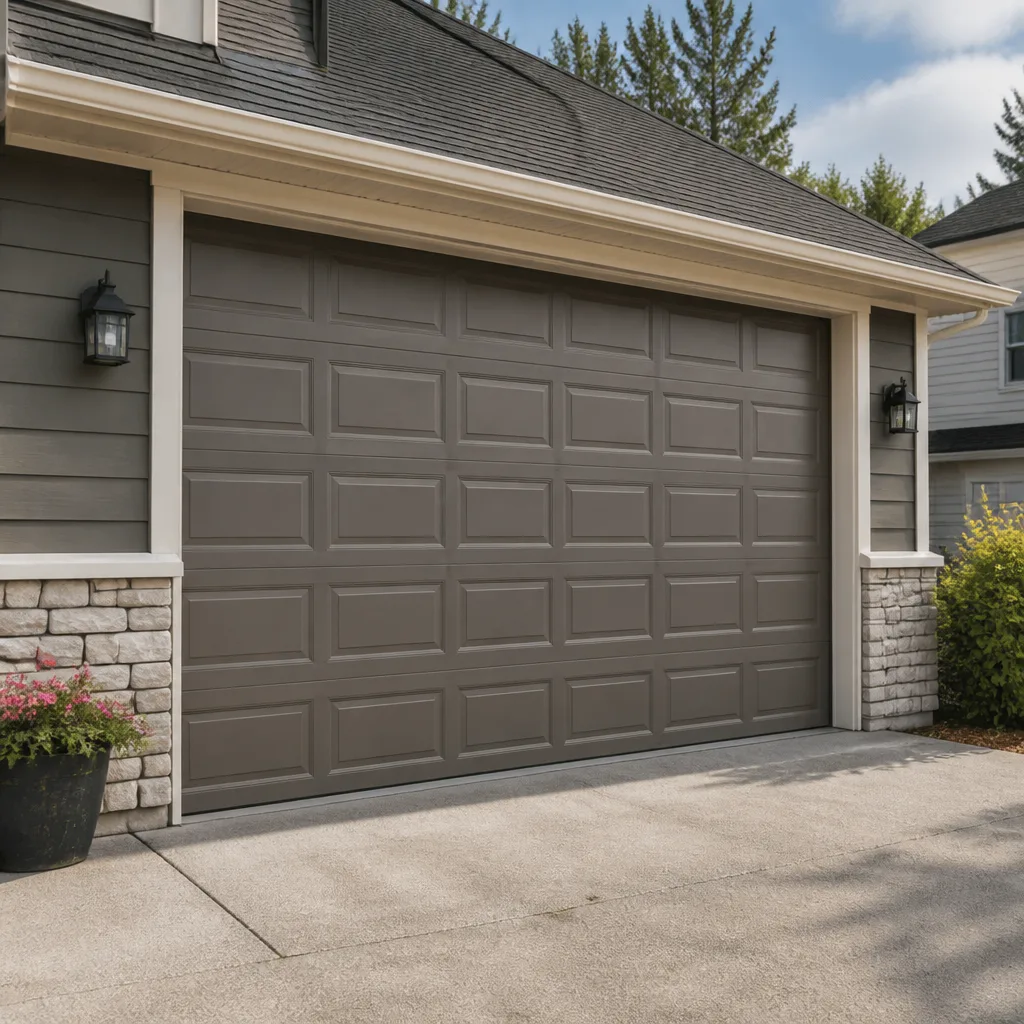
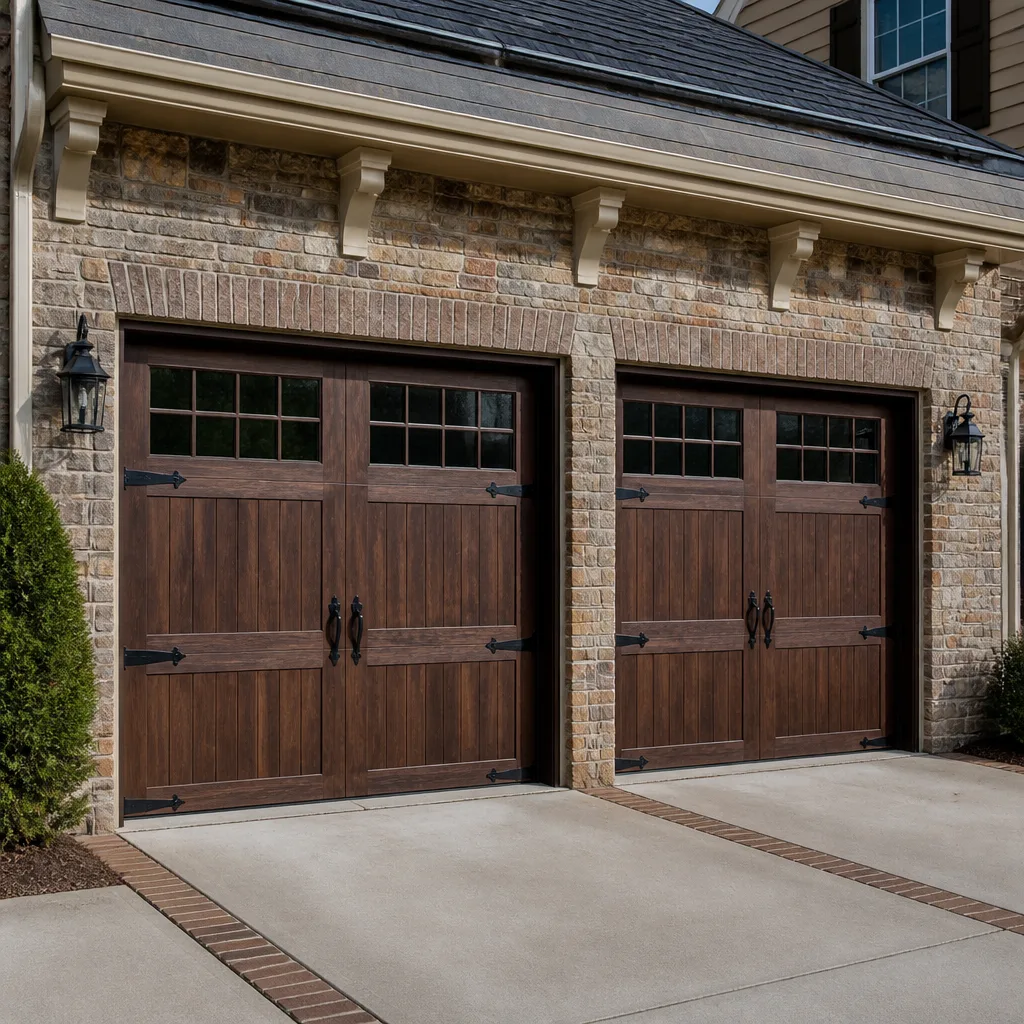
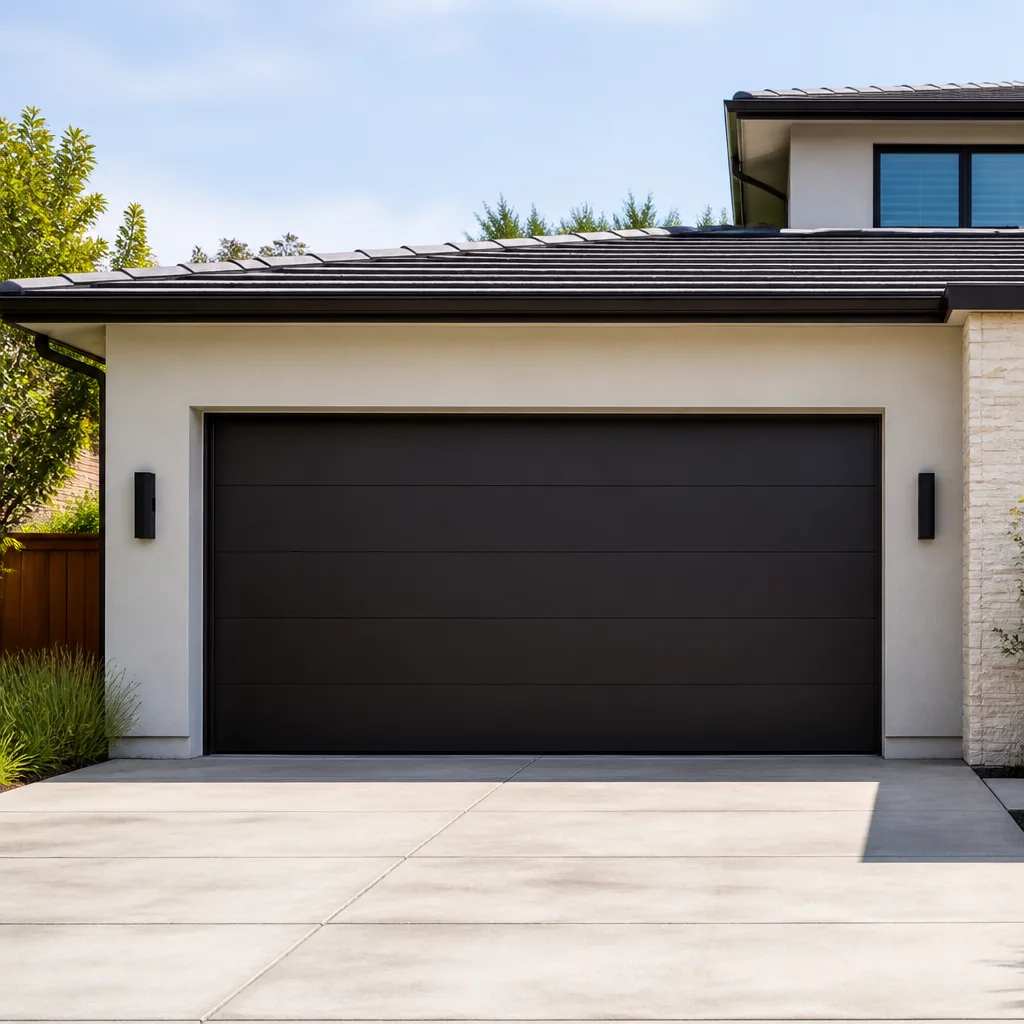
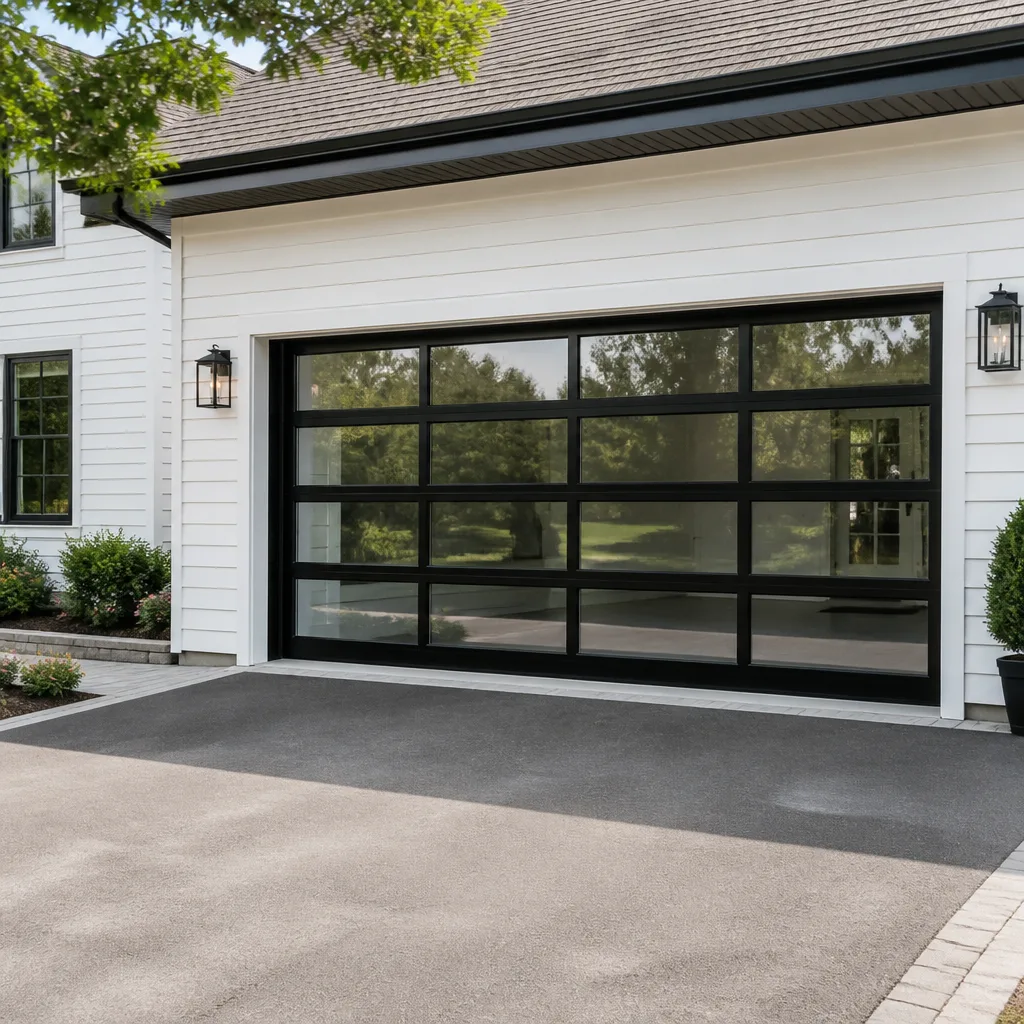
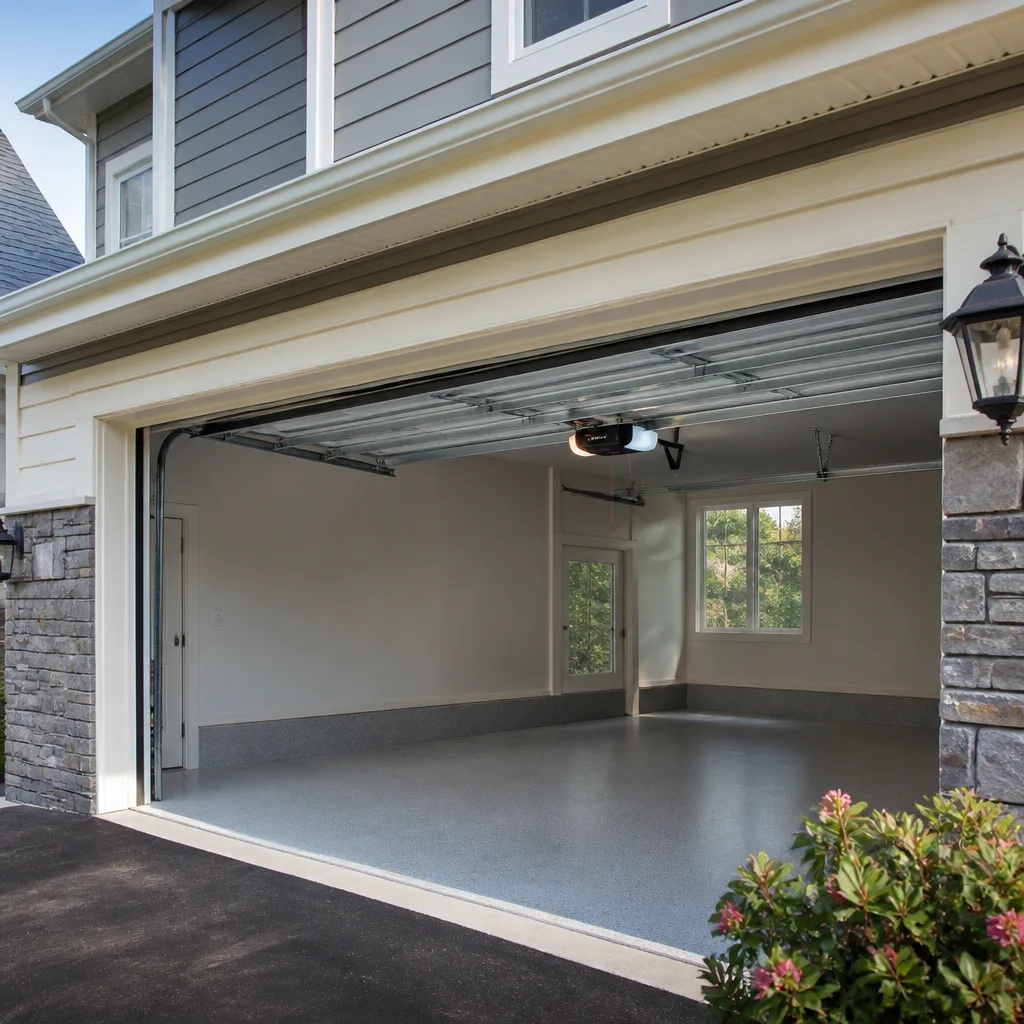
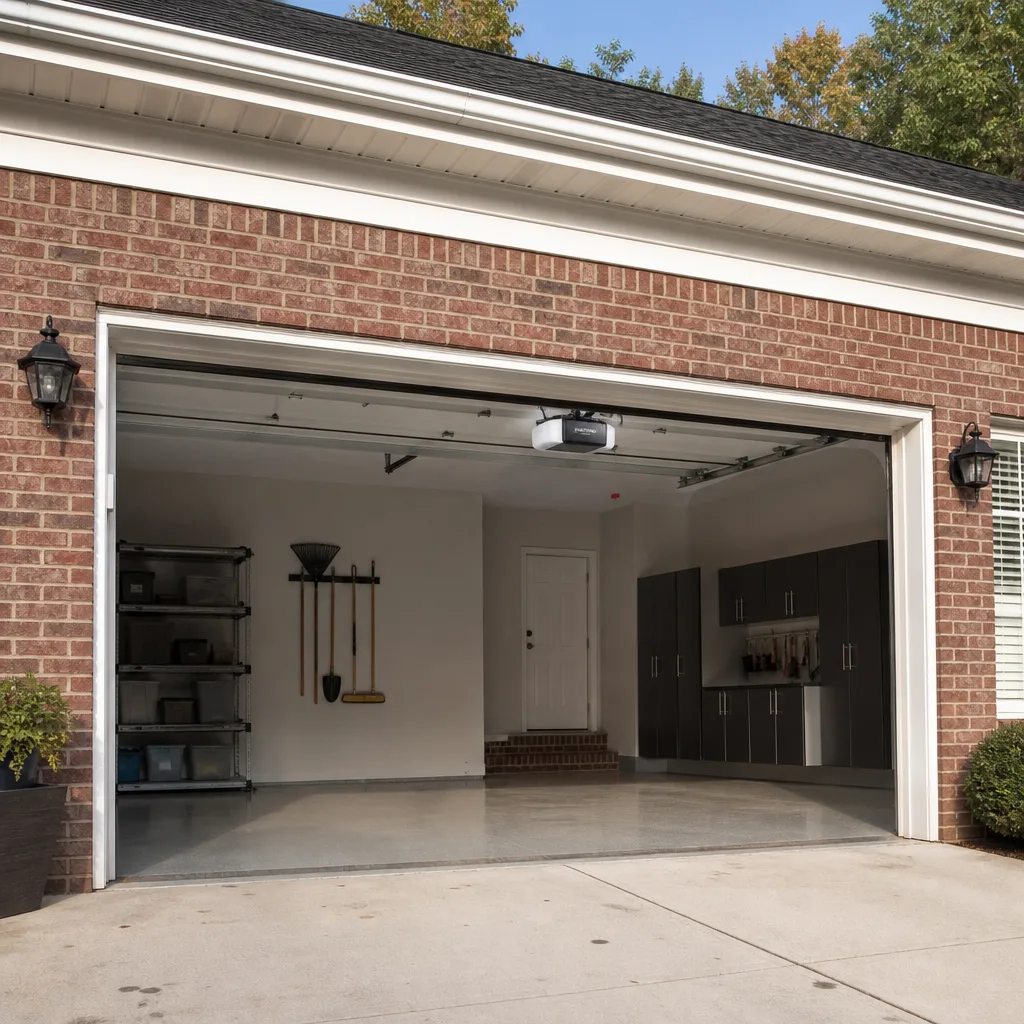
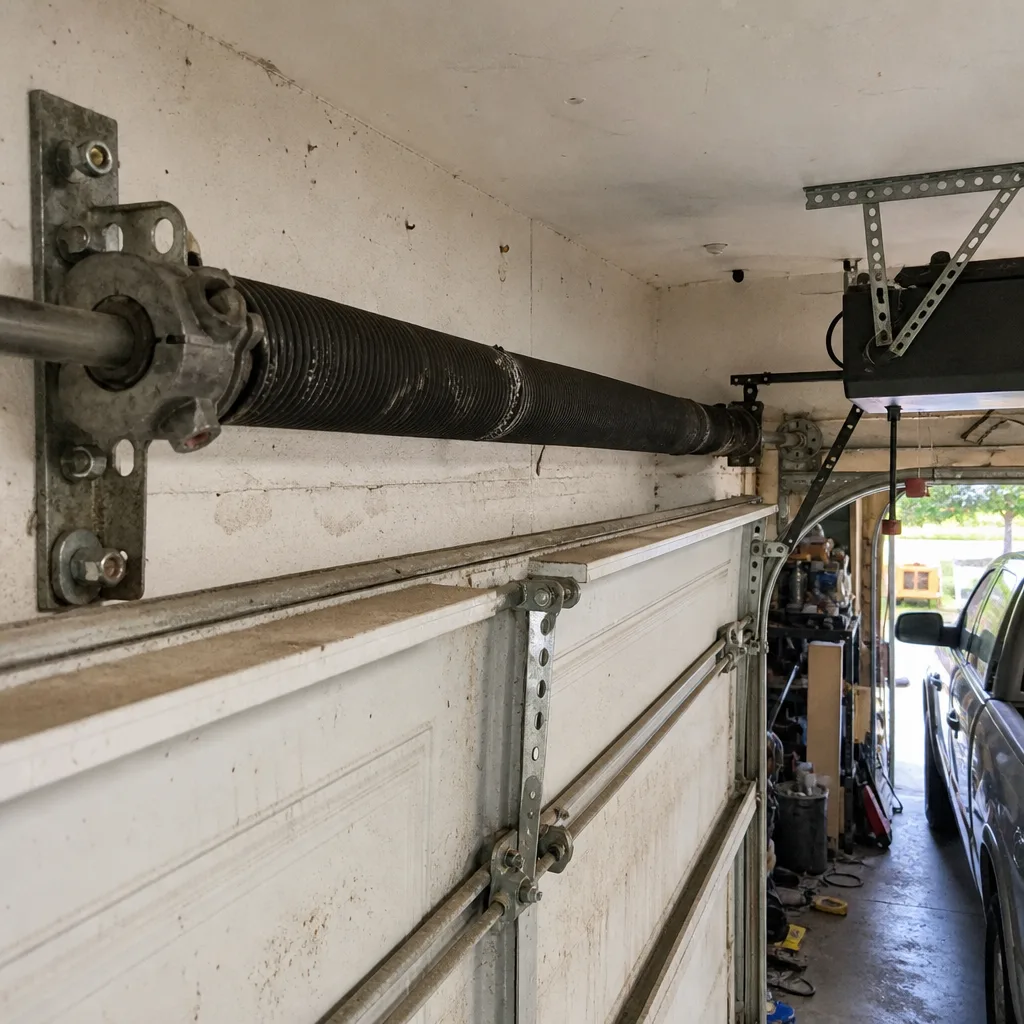 Before
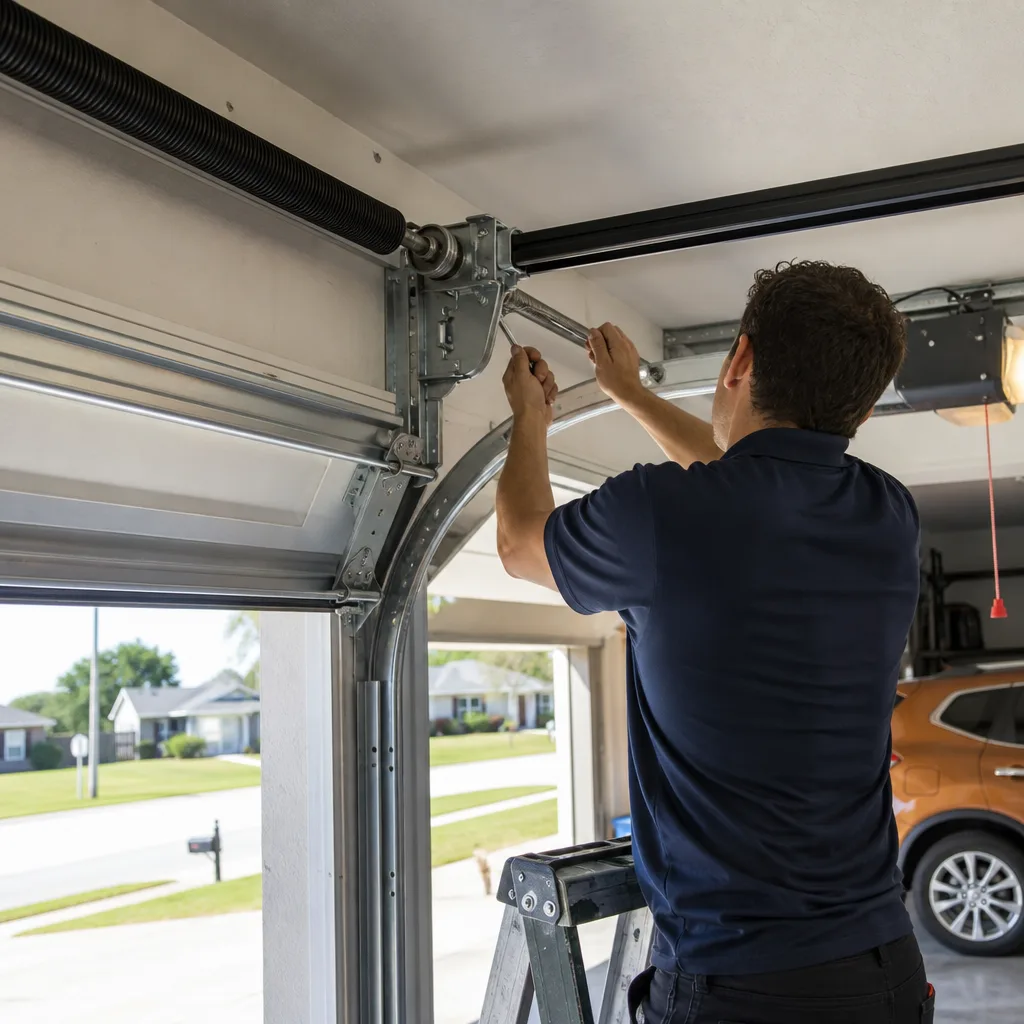 After
After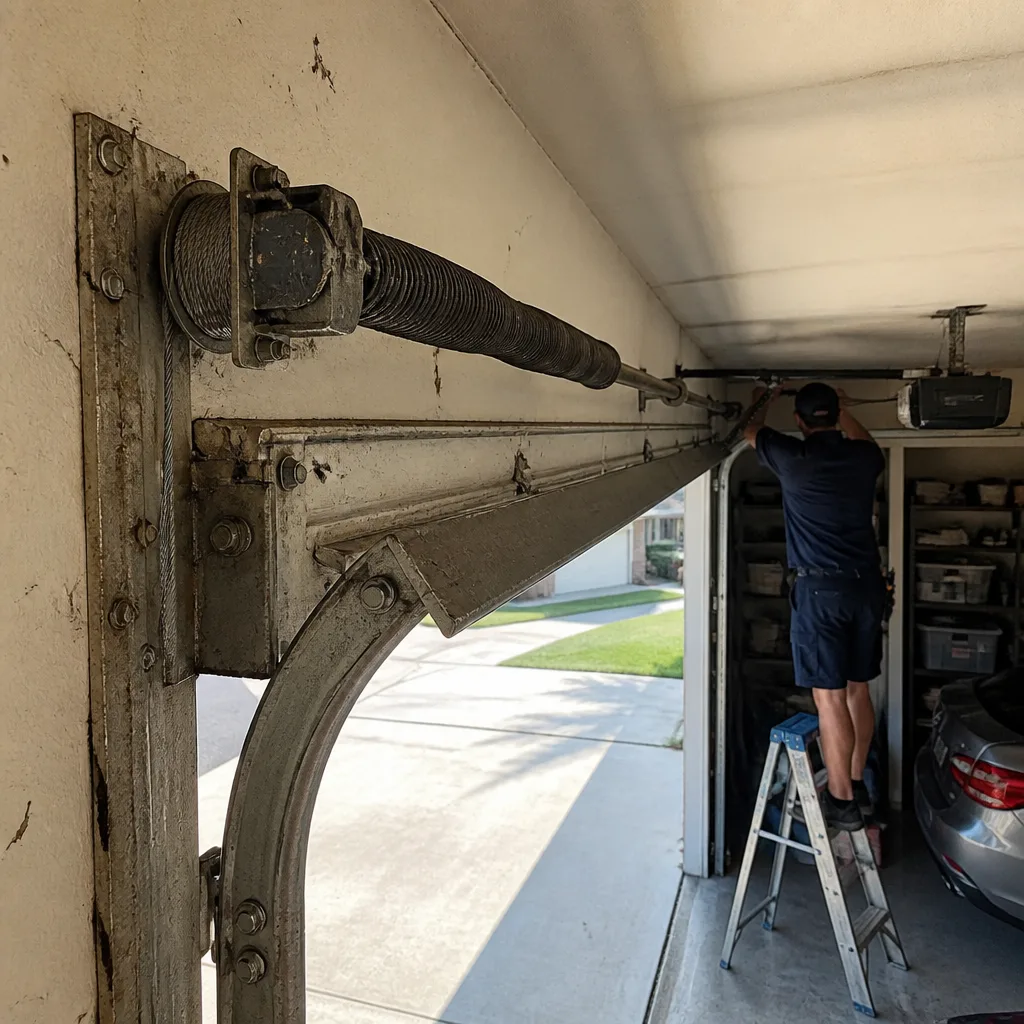 Before
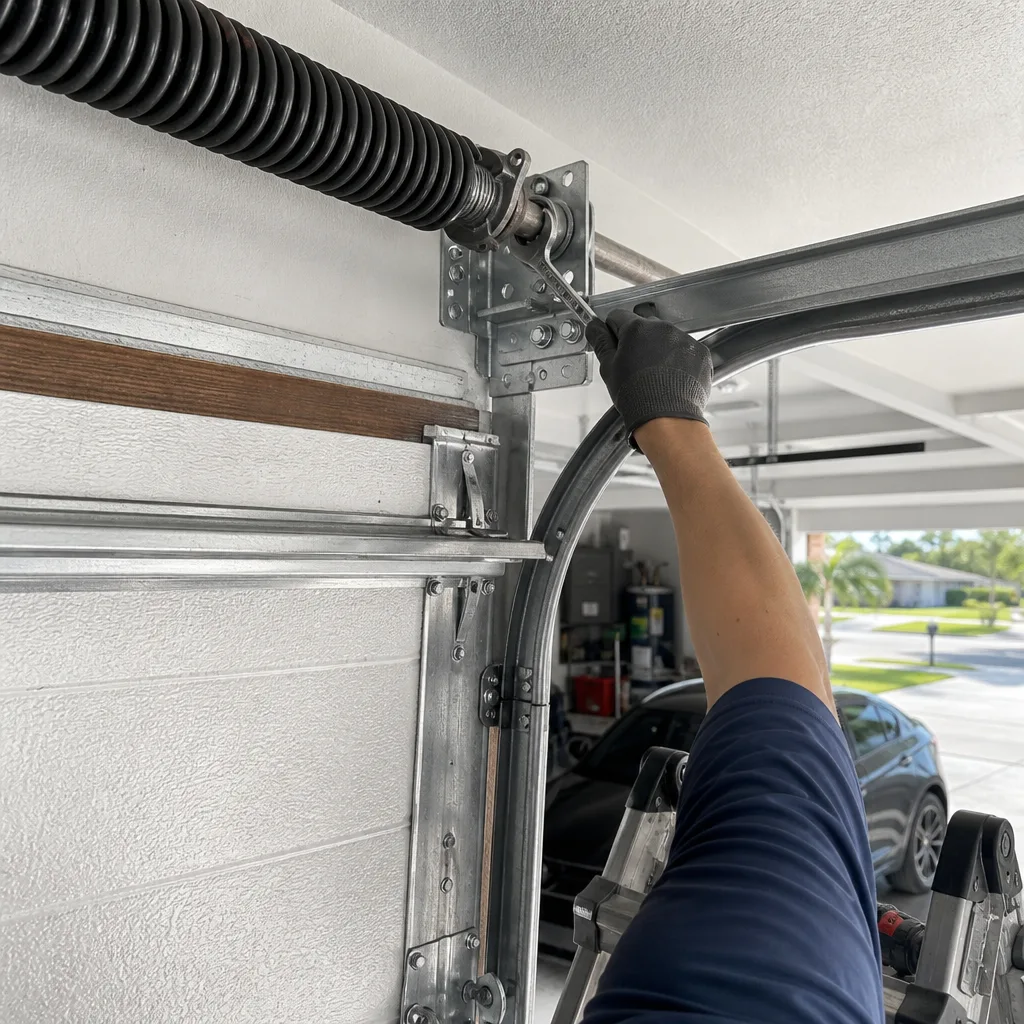 After
After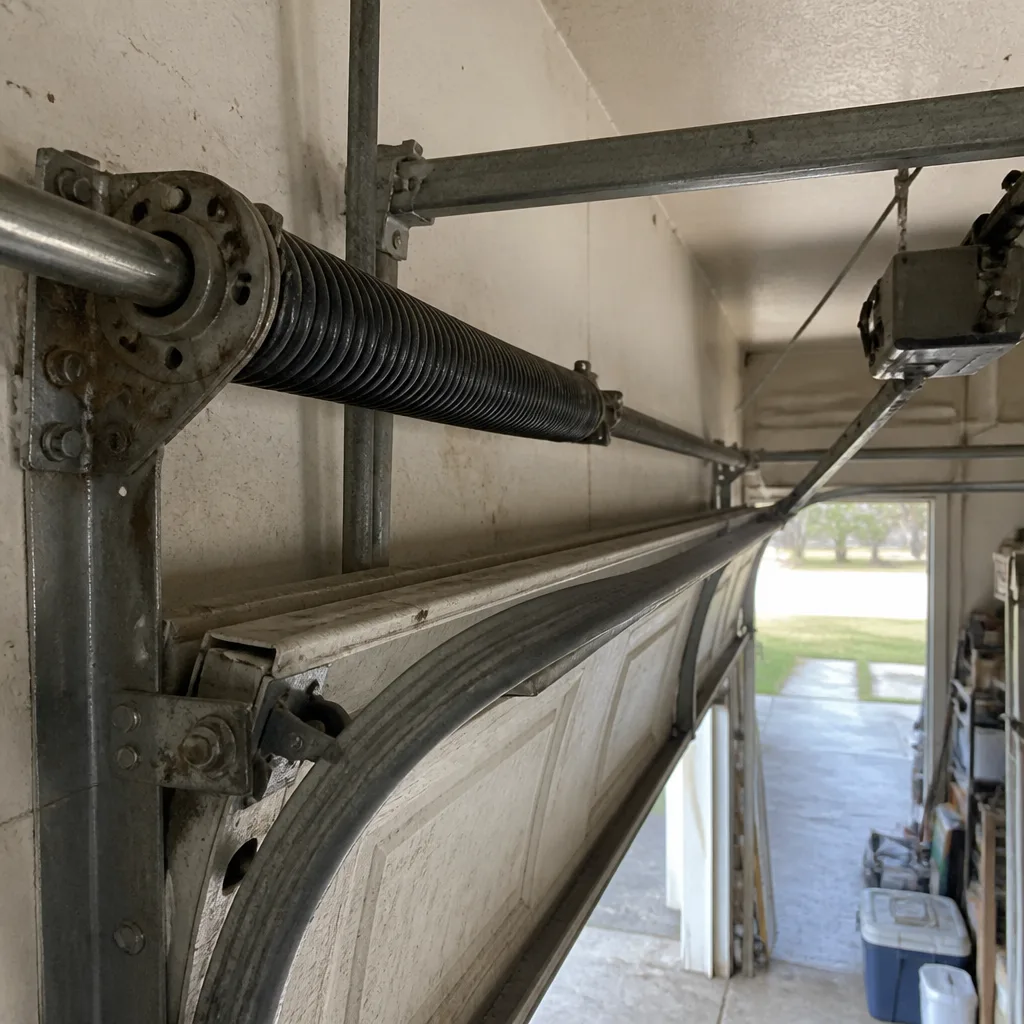 Before
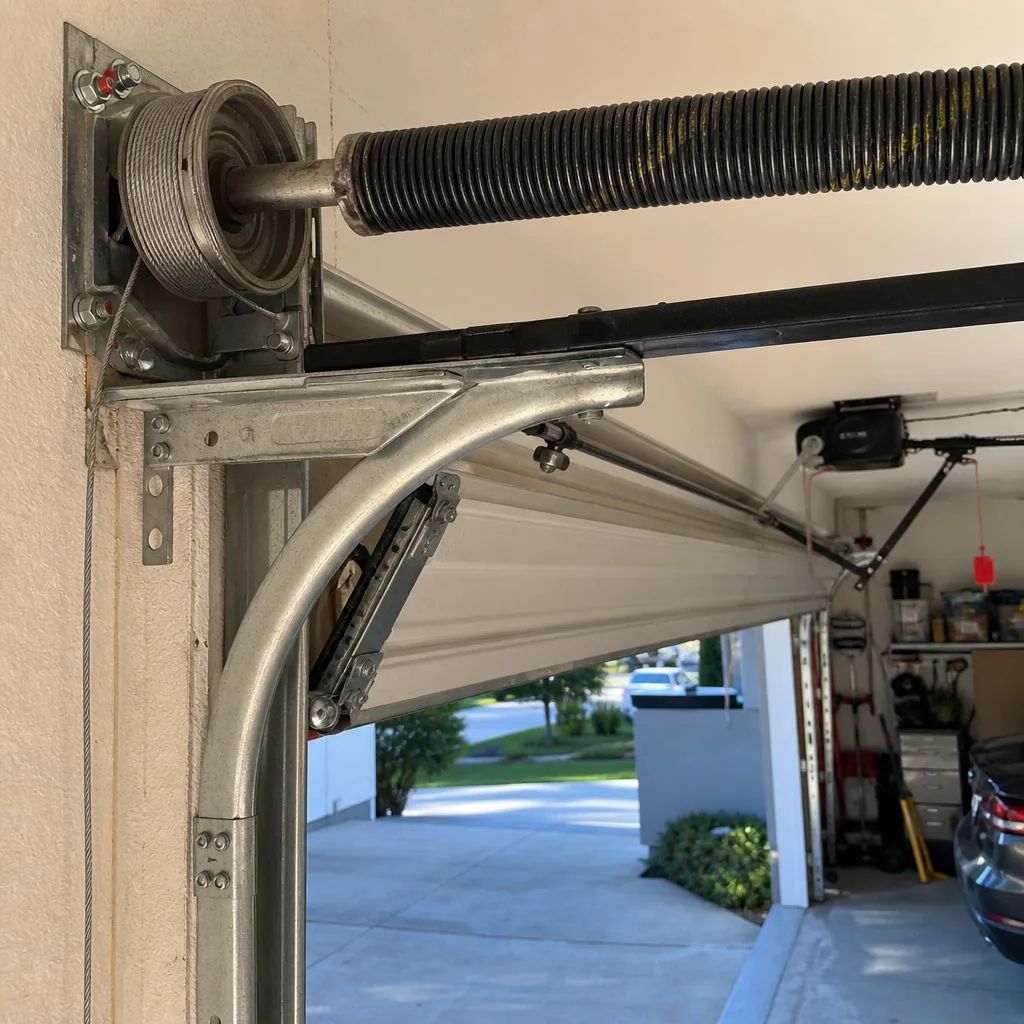 After
AfterThe Complete Guide to Garage Door in Bradenton
The average Bradenton homeowner replaces their torsion spring 18 months earlier than the manufacturer’s cycle rating predicts. It’s not a defect in the spring. It’s the salt-laden humidity working its way into the winding cone, accelerating corrosion faster than any laboratory test accounts for. This guide explains what that means for every component of your garage door system, which materials survive Manatee County’s marine environment, what Florida Building Code actually requires of your door, and how to read a quote so you know exactly what you’re paying for before any work starts in Bradenton.
Quick Answer
Garage door ownership in Bradenton is a coastal mechanical problem, not a generic home-improvement purchase you should tackle alone. The salt air, humidity cycles, and wind-load requirements of Manatee County change which springs fail first, which track materials hold up, and which door ratings actually meet code. The right sequence is: measure your opening, select the wind rating required by Florida Building Code, then choose the material. Most Bradenton showrooms present those steps in reverse, and that’s why so many coastal doors fail early.
Table of Contents
- How Bradenton’s Climate Attacks Garage Door Components
- Which Door Materials Survive Manatee County
- Florida Building Code Wind-Load Requirements for Bradenton
- The Correct Decision Sequence: Measure, Then Rate, Then Material
- How to Read a Garage Door Quote Line by Line
- Maintenance Rhythm for Bradenton Garage Doors
- Common Mistakes to Avoid
- When to Call a Professional
- Frequently Asked Questions
- The Bottom Line
BeforeAfterHow Bradenton’s Climate Attacks Garage Door Components
Bradenton sits at the mouth of the Manatee River, nine miles from the Gulf. That means wind-driven salt aerosol, morning condensation cycles, and ten months of high relative humidity every year. A garage door is not one machine. It’s a collection of steel, aluminum, rubber, and electronics, and each material fails differently in this environment.
Steel Springs: The First Casualty
A torsion spring is a hardened steel coil wound under tension. The protective coating on a typical spring is a thin layer of oil or a basic paint finish. In Bradenton, that coating fails first at the winding cone, where the spring’s mechanical stress is highest. Once the coating breaks, salt-laden moisture attacks the steel directly. A spring that would last 10,000 cycles in a dry climate might fail at 7,000 cycles in Bradenton. The break is almost always at the cone, and the failure is sudden, not gradual. A broken torsion spring is why your door stops halfway up and won’t budge.
Aluminum Tracks and Hardware
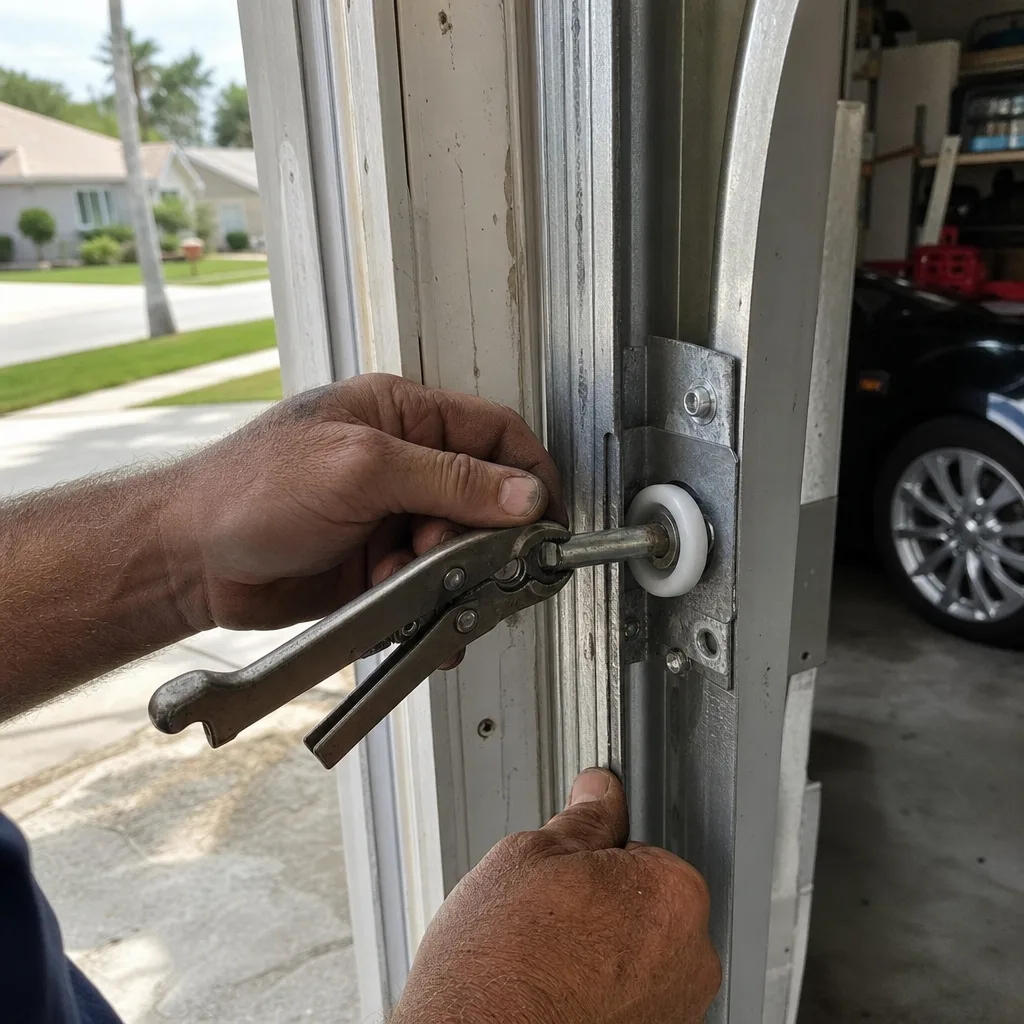
Tracks, hinges, and rollers get less attention than springs, but they corrode more visibly. Aluminum tracks in Bradenton develop white, chalky oxidation within three to four years of installation. Steel hinges rust at the pivot points first, where the galvanized coating has been worn by movement. Rollers with plastic wheels and steel stems show rust at the stem within two years. Galvanized track brackets hold up better than painted ones, but neither is immune to the combination of salt and humidity that defines this zip code.
Bottom Seal Rubber
The bottom seal is the strip of rubber or vinyl that runs along the base of the door, closing the gap against the slab. In Bradenton’s heat, the rubber compound hardens and shrinks long before it wears out mechanically. A shrunken seal leaves daylight visible under the door, and that gap lets in humidity, insects, and storm-driven water. We replace bottom seals in Bradenton at roughly twice the rate of inland cities because the rubber breaks down from heat and ozone exposure, not from friction.
Cables and Cable Anchors
Lift cables are steel wire rope, and they rust where they wind onto the cable drum. Once corrosion begins, individual strands fray and snap. A frayed cable under load will fail, and when it does, the full weight of the door shifts. Cable replacement is not a repair to postpone. If you see rust bloom or loose strands, the cable needs to go.
Electronic Boards and Sensors
Opener logic boards and safety sensors fail from a different coastal problem: humidity intrusion. Unsealed control boards in non-climate-controlled garages absorb moisture, and solder joints corrode. The symptom is intermittent operation. The door opens but won’t close. Or it closes and immediately reverses. Sensors with fogged lenses or corroded connectors cause the same phantom reversal. Sealed boards and weather-resistant sensors matter more in Bradenton than in a dry climate.
Local Failure Patterns by Neighborhood
Homes closer to the water in West Bradenton, Palma Sola, and Cortez show faster spring and hinge corrosion than homes east of US-301. The salt aerosol load drops as you move inland, but it never disappears entirely. Homes in Lakewood Ranch, which is eight miles from the Gulf, still see accelerated spring wear compared to Orlando. The river and the bay both funnel coastal air through the county.
Which Door Materials Survive Manatee County
The material you choose determines how long the door lasts before rust, warping, or structural failure. Here’s what we’ve observed in Bradenton with each of the three common options.
Steel Doors
Steel is the most common residential door material in Bradenton, and for good reason: it’s the most affordable option that meets Florida wind-load requirements. A 26-gauge or 24-gauge steel panel door with a factory-applied coat of polyester or PVDF paint will resist corrosion for years if the finish is not scratched. The problem is what happens after installation. The bottom panel, which sits closest to the slab and receives the most road splash and salt contact, rusts first. The rust begins at the panel edges where the factory cut the steel, because the cut edge exposes bare metal no matter how good the paint is. Doors with rust-through on the bottom panel are the most common replacement we see in Bradenton.
The fix, if you’re shopping for a steel door, is to buy a door with a thermal break and a bottom panel that’s factory-sealed at the cut edges. Not all steel doors are built the same way. Amarr and Clopay both make doors with edge-sealed bottom panels, and those hold up measurably better in Manatee County. A steel door without edge sealing will show rust within five years. With edge sealing, ten or twelve is realistic.
Aluminum Doors
Aluminum doesn’t rust the way steel does. It oxidizes, and the white or gray film that forms on raw aluminum is its own protective layer. Aluminum frame doors with glass or composite panels are popular in Bradenton’s canal-front neighborhoods because they tolerate salt air better than painted steel. The catch is that aluminum is softer and dents more easily, and the hardware that connects aluminum sections can still be steel. If you buy an aluminum door, the frame might last twenty years while the steel hinges rust out in eight.
Aluminum is also more expensive than steel, usually 20 to 30 percent more for a comparable door, and not every aluminum door is impact-rated. If you want the corrosion resistance of aluminum and the wind-load compliance of a Bradenton-approved door, you need to specify an impact-rated aluminum model, and those cost more than most homeowners expect. Still, for a house within a mile of the water, aluminum is often the right long-term answer.
Fiberglass Doors
Fiberglass doors occupy a smaller slice of the Bradenton market, but they have a specific advantage: the skin doesn’t rust and it doesn’t dent. A fiberglass door on an aluminum frame offers the best corrosion resistance of any common combination. The tradeoff is impact rating. Fiberglass doors are typically not the highest wind-rated option, and in a coastal county where wind-load compliance determines whether your door passes inspection, that’s a genuine constraint. Fiberglass works well for protected locations, less so for homes where wind exposure is direct.
What the Showroom Won’t Tell You
- Steel is the budget default, but the bottom panel will be the first component to show rust. Ask about edge sealing.
- Aluminum offers the best corrosion resistance for the frame, but the hardware may still be steel and may still rust.
- Fiberglass resists both rust and dents but may not meet the highest wind-load ratings required in Bradenton.
- The door material is only one part of the coastal equation. Spring type, track gauge, and seal compound all fail independently.
Florida Building Code Wind-Load Requirements for Bradenton
Bradenton is in a High-Velocity Hurricane Zone (HVHZ) wind region. That phrase matters because it mandates specific wind-load ratings for garage doors, and not every door sold in Florida meets the standard. A standard residential door with a simple steel frame and unreinforced panels may not pass the Florida Building Code in Bradenton, especially on homes where the garage faces the prevailing storm wind. The requirement is not optional. If your door fails, the wind can enter the garage, pressurize the interior of the home, and blow the roof off. That’s not theoretical. It’s the documented failure mode in hurricane damage assessments.
What does wind-load compliance mean in practice? The door must be tested and labeled for the design pressure (measured in pounds per square foot) required for the wind zone at your address. A Bradenton home typically requires a door rated for 130 mph or higher wind speeds, depending on the home’s location, the door’s exposure, and the roof’s height. Impact-rated doors are a separate category. An impact-rated door has reinforced panels, heavier gauge tracks, and a stronger frame designed to resist flying debris and sudden pressure changes. Non-impact doors may meet wind-load code but still fail when a branch hits them at 90 mph. In an HVHZ, impact-rated hardware is the practical choice, not the premium upsell.
The code also governs the track and mounting. Reinforced steel tracks, heavier gauge, and additional mounting points are part of the wind-load package, not optional extras. A door with impact-rated panels mounted on standard 2-inch tracks is a half-installation. The entire system must be rated together. If you’re replacing a door in Bradenton, the contractor should be able to show you the label with the design pressure number that applies to your address. If they can’t, the door isn’t compliant.
The Correct Decision Sequence: Measure, Then Rate, Then Material
Most showrooms start with material: “Do you like the look of steel, aluminum, or wood?” That’s backwards for Bradenton. The right sequence is structural first, aesthetic last.
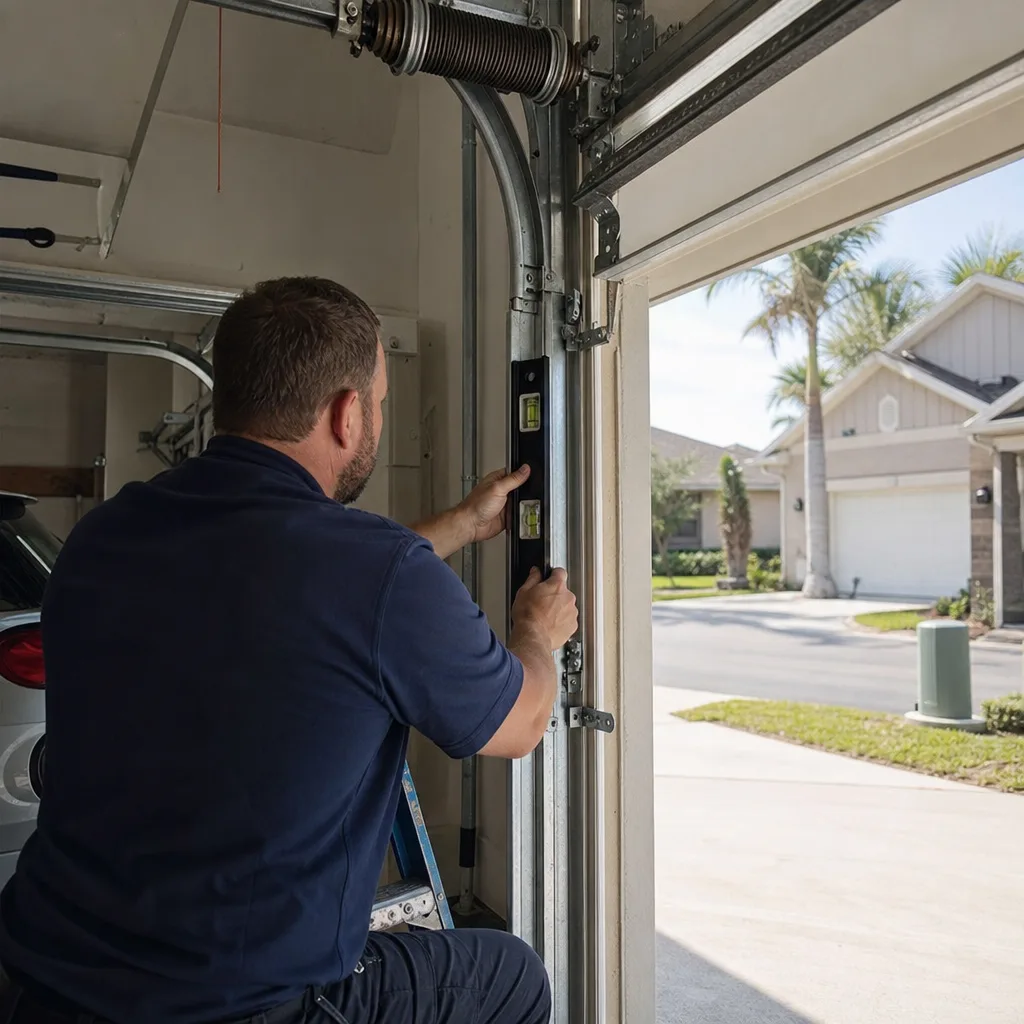
- Measure the opening. The width and height of the rough opening, the headroom above the opening, and the side room on both sides. These dimensions determine what door size fits and whether a standard torsion spring system will even work in your garage.
- Select the wind rating. Determine the design pressure required at your address. This is a code issue, not a preference. The door you choose must meet or exceed the rating for your wind zone.
- Choose the material. Now, and only now, is material selection relevant. Steel, aluminum, or fiberglass will all be available with the wind rating you need, though the costs will differ. This is the point where the showroom should be helping you, not the first question they ask.
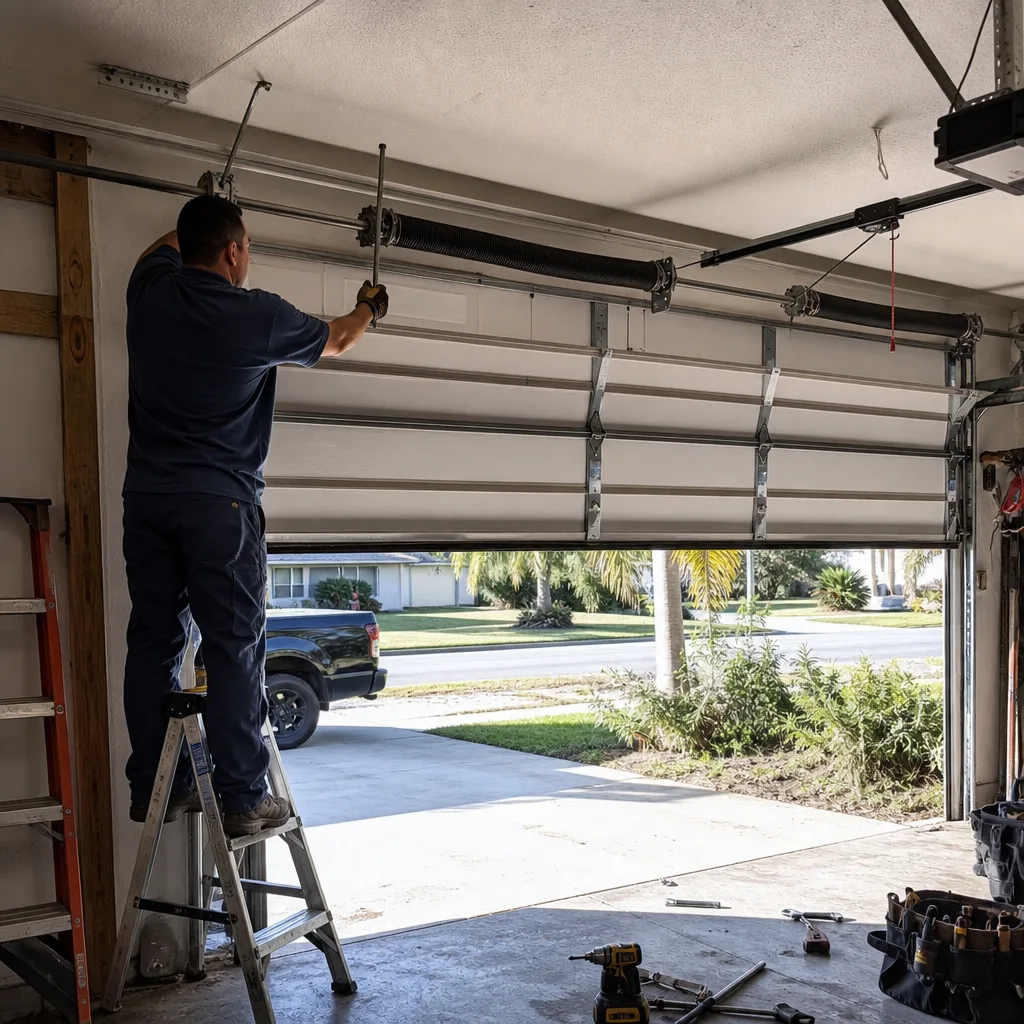
- Select the spring type. Torsion springs are superior to extension springs in every meaningful way for Bradenton: safer when they fail, easier to maintain, and less prone to sudden cable snap. The spring wire diameter should be spec’d to the door’s weight, not a one-size-fits-all guess.
- Confirm the track gauge and mounting. If the door is wind-rated, the track must be too. Confirm the gauge and the mounting pattern before signing anything.
If you follow this sequence, you’ll buy a door that works for your house and the climate. If you follow the showroom’s reverse sequence, you’ll pick a pretty door and then discover it doesn’t meet code, or it meets code but has the wrong spring for the weight, or the spring is right but the track is under-rated. Every one of those discovery moments is expensive.
How to Read a Garage Door Quote Line by Line
A garage door quote in Bradenton should be more than a single number. If the quote says “door replacement: $2,450” and nothing else, you can’t tell what you’re buying. Here’s how to read a real quote, line by line, so the spring type, track gauge, and opener torque rating aren’t buried in a vague labor total.
- Door model and material: The exact model number, the material (steel, aluminum, fiberglass), the panel construction (single-layer, insulated, or polyurethane-filled), and the wind-load rating. If the wind rating isn’t listed, ask for it in writing.
- Torsion spring specification: The wire diameter, the length, and the cycle rating. A 0.25-inch wire diameter spring rated for 10,000 cycles is different from a 0.218-inch spring rated for 6,000. You’re paying a higher price for the thicker wire, and the quote should show that.
- Track gauge and mounting: “Standard track” is not a specification. The gauge (usually 14 or 16) and the mounting points should be listed. Wind-rated doors need heavier track, and that has a price.
- Opener torque rating (if included): An opener rated for a 7-foot insulated door is different from one rated for a 7-foot non-insulated door. The torque matters because an under-rated opener will burn out its own motor in coastal humidity. The quote should name the opener’s horsepower and torque capacity.
- Bottom seal type: EPDM rubber, vinyl, or a hybrid compound. In Bradenton, the compound determines how many years the seal lasts before it shrinks. A quote that says “seal” means nothing. A quote that says “EPDM bottom seal, 16 feet” tells you exactly what you’re getting.
- Labor, broken out: Labor should be a separate line item from materials. Not because one is more or less important, but because you need to see how much of the total is going to installation versus parts. If the contractor won’t break it out, ask why.
- Warranty terms: The parts warranty and the labor warranty should both appear, each with its own duration. A lifetime parts warranty with a one-year labor warranty is the same as a one-year warranty if the part fails and the labor to replace it isn’t covered. The terms page should be referenced, not summarized.
This is how Servo Garage Doors Bradenton home writes quotes, and it’s how Clause 1 of The Haven Standard works: a flat, written price and a written scope are delivered before any work starts. No one should be asked to approve work without knowing what they’re paying for. A detailed quote protects both sides.
If you’re comparing quotes from multiple companies, bring the paperwork to a professional and ask for a second opinion. Servo offers a free second opinion on any written estimate from another company. Bring the paperwork. The point is not to win your business by underbidding. The point is to show you what the other quote is actually selling you.
Maintenance Rhythm for Bradenton Garage Doors
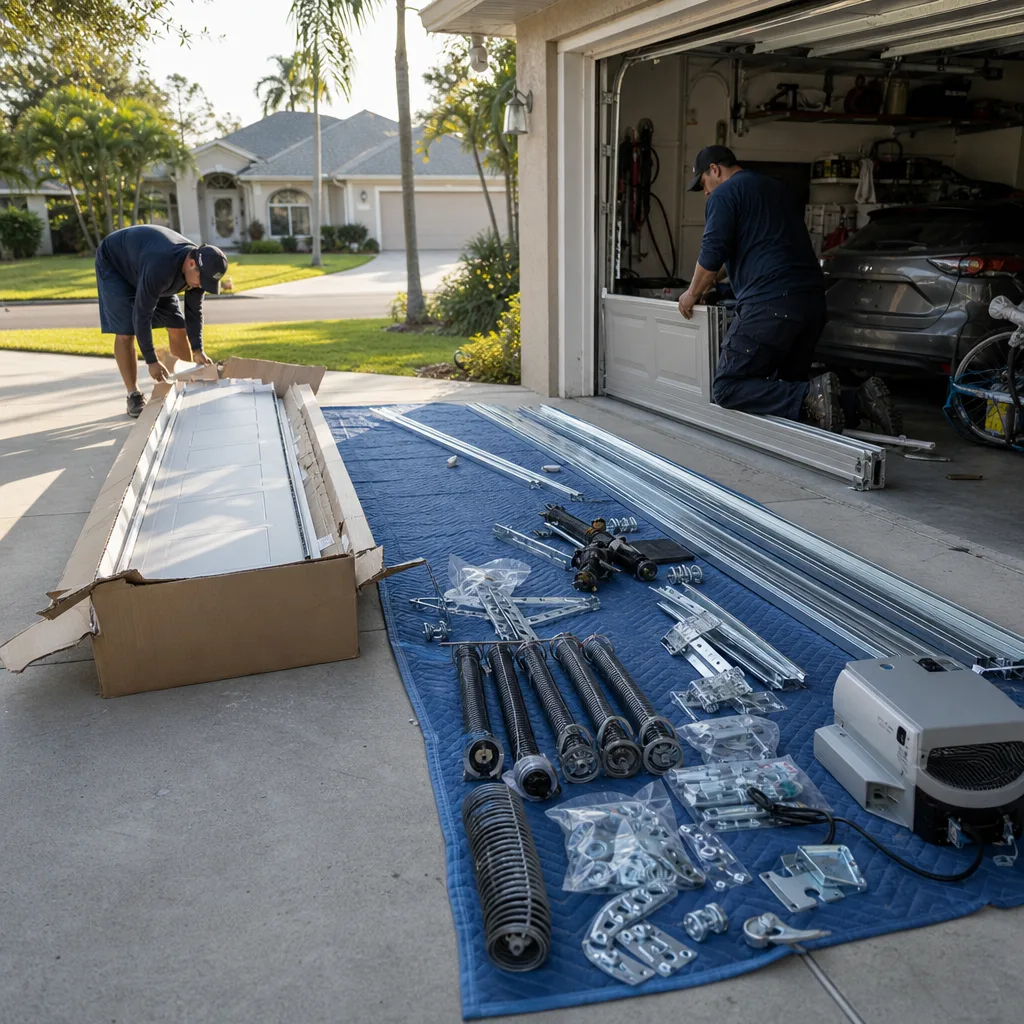
Bradenton’s climate punishes neglected mechanical systems faster than drier climates do. A garage door in this environment needs a more deliberate maintenance schedule than the same door in Chicago or Denver. For more guides & resources on coastal garage door care, see our blog. Here’s the rhythm we recommend for Manatee County.
Quarterly: Visual Inspection and Lubrication
Every three months, look at the door. Look for rust on the springs, rust on the hinges, fraying on the cables, and gaps under the bottom seal. Lubricate the moving parts: the hinges, the rollers, the torsion spring, and the track. Use a garage-door-specific lubricant, not WD-40. The solvent in WD-40 strips the lubricant that’s already there. Spray lithium grease or a silicone-based lubricant on the spring coils and the hinge pivots. Do not lubricate the track itself; the rollers need to roll, not slide, and a greased track collects dust and salt and turns into grinding paste.
Twice a Year: Seal and Hardware Check
Inspect the bottom seal for shrinkage, cracking, or daylight showing underneath. A shrunken seal needs replacement before hurricane season. Check the bolt tightness on the track mounts and the torsion spring brackets. In a house near the water, check for corrosion on the cable anchor points. Run the opener’s safety reversal test: place a block of wood on the floor under the door and confirm the door reverses when it hits it. This is a safety check, not a maintenance suggestion.
Before Hurricane Season: Wind-Load and Track Review
Hurricane season in Bradenton runs from June through November. In May, have the door reviewed for wind-load compliance, track reinforcement, and panel condition. If the door is old, the track is light-gauge, or the panels are rusting, this is the time to replace it. A door that fails in a storm is a structural threat to the house, not an inconvenience. The same review should happen after any major storm passes through, even if the door appears intact. Stress fractures and twisted track aren’t always visible from the driveway.
These intervals are more frequent than a Tampa or Sarasota homeowner might need because Bradenton sits in a pocket where the river, the bay, and the Gulf all contribute moisture to the air. The exact interval for your home depends on how close you are to the water. A house on Riverview Boulevard will need more attention than one near the Lakewood Ranch boundary.
Common Mistakes to Avoid
- Buying a door for its look before checking its wind-load rating. A non-rated door in an HVHZ is a liability. Confirm compliance first; aesthetics after.
- Replacing the spring without checking the cycle rating. Bradenton’s corrosion shortens spring life, so buying the cheapest spring means replacing it again in three or four years.
- Lubricating the springs and hinges with WD-40. It’s a solvent, not a lubricant, and it strips the protective coating and attracts salt. Use a purpose-built garage door lubricant.
- Ignoring the bottom seal until it leaks. By the time water is coming under the door, the rubber has been failing for months. A shrunk seal is visible with the door closed; look for daylight.
- Buying a new opener without matching it to the door’s weight. Undersized openers burn out motors, and the Houston heat doesn’t help. The door’s torque requirement must match the opener’s rating.
- Replacing panels but keeping the existing track. A new wind-rated door on old track carries the old track’s rating. The system is only as rated as its weakest component.
- Assuming all service calls cost the same. The quote you get on the phone should be the quote you pay. If a company won’t commit to a written price before they arrive, you’re agreeing to negotiation. Don’t.
When to Call a Professional
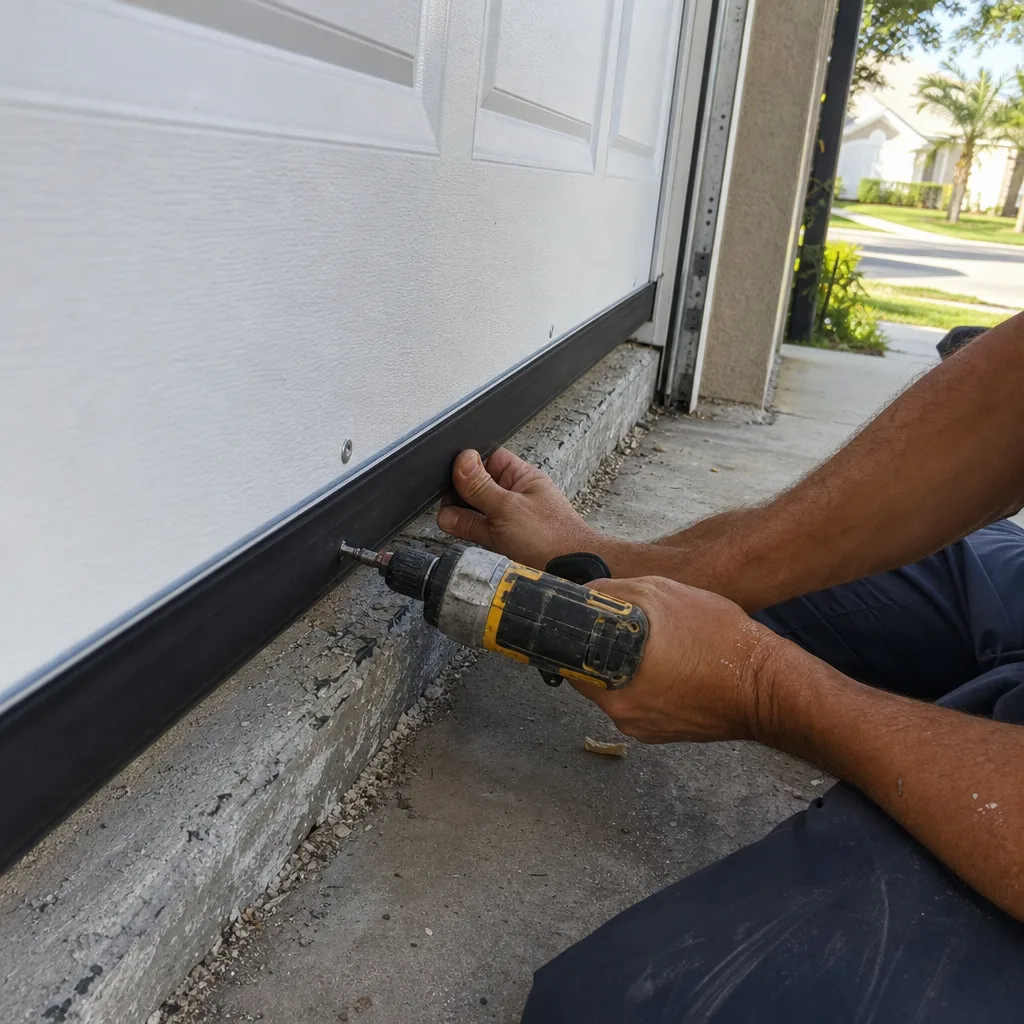
Any work involving torsion springs, lift cables, or track realignment is not a do-it-yourself project. Torsion springs are under enormous tension, and a spring that snaps during adjustment can cause serious injury. Call a professional if you see a broken spring, a frayed cable, a door that won’t open but the opener is running, or a door that’s come off its track. Also call if the door passes a visual inspection but you want a documented record of its condition before hurricane season or before you sell the home. Garage Door Repair in Bradenton should always include a written price, a written scope, and a photo record of what was found and what was done. Servo Garage Doors Bradenton offers free estimates in Bradenton. Call (941) 203-1829.
Frequently Asked Questions
Garage door repair in Bradenton typically costs $150 to $450 depending on the component. A spring replacement runs $200 to $350. A bottom seal replacement is $80 to $150. A cable replacement is $150 to $250. Track realignment is $120 to $200. Every one of those prices should be a flat, written price before work starts, not an estimate that changes when the technician arrives. Call (941) 203-1829 for an exact quote. Estimates are free.
With proper maintenance, a steel door in Bradenton lasts roughly 12 to 15 years, an aluminum door 18 to 20 years, and a fiberglass door 15 to 18 years. The components fail earlier than the door panels. Torsion springs in Bradenton typically last 5 to 7 years due to coastal corrosion, and bottom seals last 3 to 5 years. The door itself may outlive two or three sets of springs and seals.
Yes. Bradenton falls in a High-Velocity Hurricane Zone, and the Florida Building Code requires wind-load-rated doors for new construction and for replacement doors. Impact-rated hardware is strongly recommended even where not explicitly mandated, because the door is the largest opening in the home’s wind envelope. A compliant door has a design pressure label matching the wind zone at your address.
In most cases, yes. Servo Garage Doors Bradenton answers emergency calls with a live person, 24 hours a day, including holidays. For repair work like spring replacement, cable replacement, and track realignment, parts are carried on the truck and the work is usually done the same day. For installation or replacement work, a free measure and a written price are scheduled before any parts are ordered. Call (941) 203-1829 and you’ll speak to a real person, not a recording.
No. Clause 1 of The Haven Standard requires a flat, written price and a written scope before any work begins. The price you approve is the price you pay. If an inspection reveals additional damage, the technician will document it with photographs, explain it, and get written approval for any additional work at a written price before touching it. You are never committed to a surprise invoice. This is the standard Servo has operated under in Bradenton since 2015.
Yes. Servo Garage Doors Bradenton repairs and installs openers from LiftMaster, Chamberlain, Genie, and Raynor, plus all other major brands including Clopay, Amarr, Wayne Dalton, and Craftsman. If your opener’s logic board, limit switch, or trolley carriage has failed, bring the model number when you call. The technician arrives with the right parts on the truck. A written price for the repair is provided before work begins.
Look for the design pressure label on the door panel or track. The label shows the pressure rating in pounds per square foot and the wind speed the door was tested to. If you can’t find a label, or the label shows a rating lower than what’s required for your address in Bradenton, the door is not compliant. A professional can look it up in five minutes during a service visit. If you’re buying a new door, ask the contractor to identify the label on the quote. Garage Door Installation in Bradenton should always include that documentation.
Torsion springs mount on a steel tube above the door opening and wind up to lift the door’s weight. Extension springs run along the horizontal track on each side and stretch to lift. Torsion springs are safer when they fail, last longer, and are the standard for new doors in Bradenton. Extension springs are cheaper but they fail more suddenly, and when they fail, the spring can fly across the garage without a safety cable. Most new installations in Bradenton use torsion springs, regardless of the door’s material or wind rating.
The Bottom Line
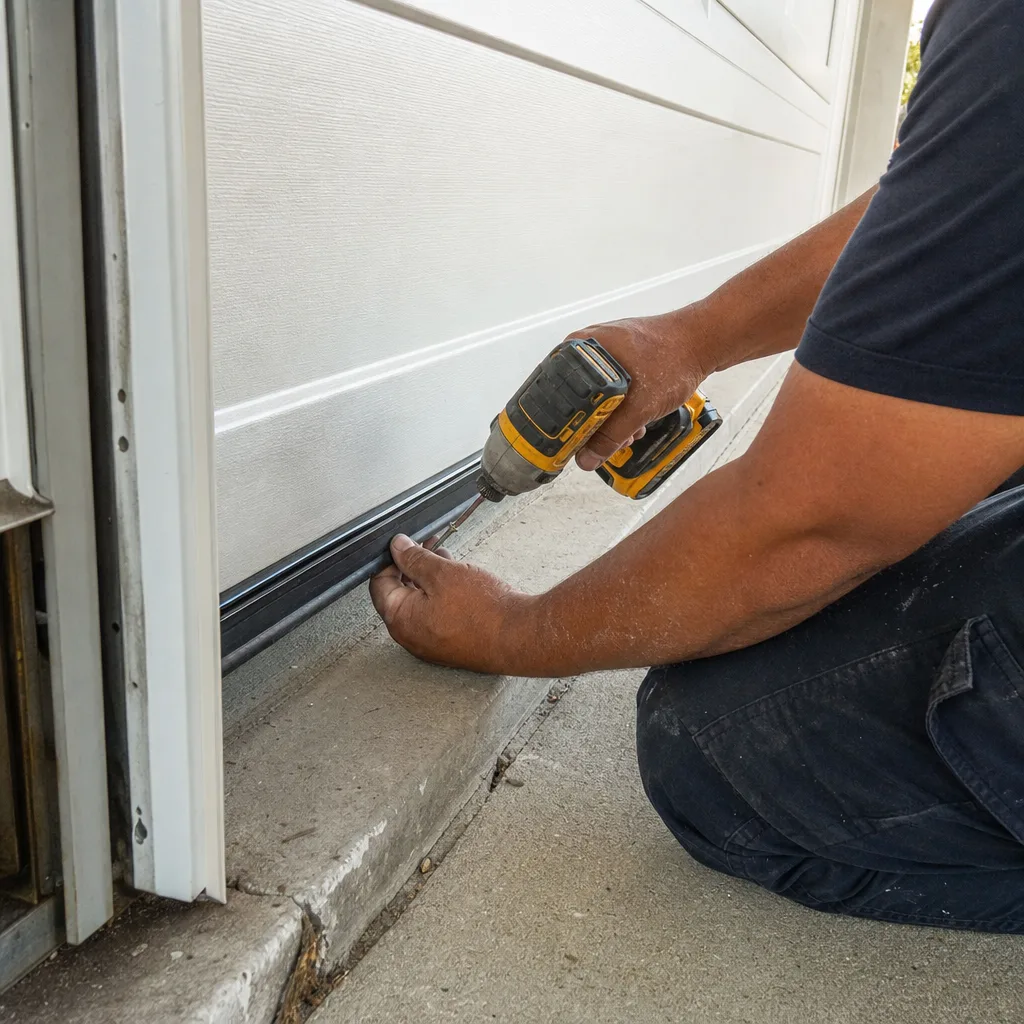
Bradenton is a coastal environment, and a garage door here is a coastal mechanical system. Salt air attacks the springs first, humidity attacks the electronics, and the wind-load code sets a minimum you can’t ignore. The order of operations is measure, rate, material. The maintenance rhythm is quarterly, half-yearly, and pre-storm. A detailed quote shows you exactly which spring, which track, and which opener you’re buying. And the contractor you work with should be willing to put every one of those details in writing before the first tool comes out of the truck. With Garage Door Opener Repair & Installation in Bradenton, the price, the scope, and the photographic evidence have been standard practice since 2015.
Call (941) 203-1829 for a free estimate, a free second opinion on any competing written quote, and a documented, written price before any work begins.
Written by Marcus Deller, Owner at Servo Garage Doors Bradenton, serving Bradenton since 2015.